

Rosemary Oil vs Minoxidil for Hair Growth: Which One Works Better for Hair Loss?
In fact, studies have shown that rosemary oil may produce similar hair growth results to minoxidil over time while causing fewer scalp side effects. Modern botanical formulas combine rosemary oil with other clinically supported ingredients such as peppermint oil, castor oil, and ginseng to maximize results.
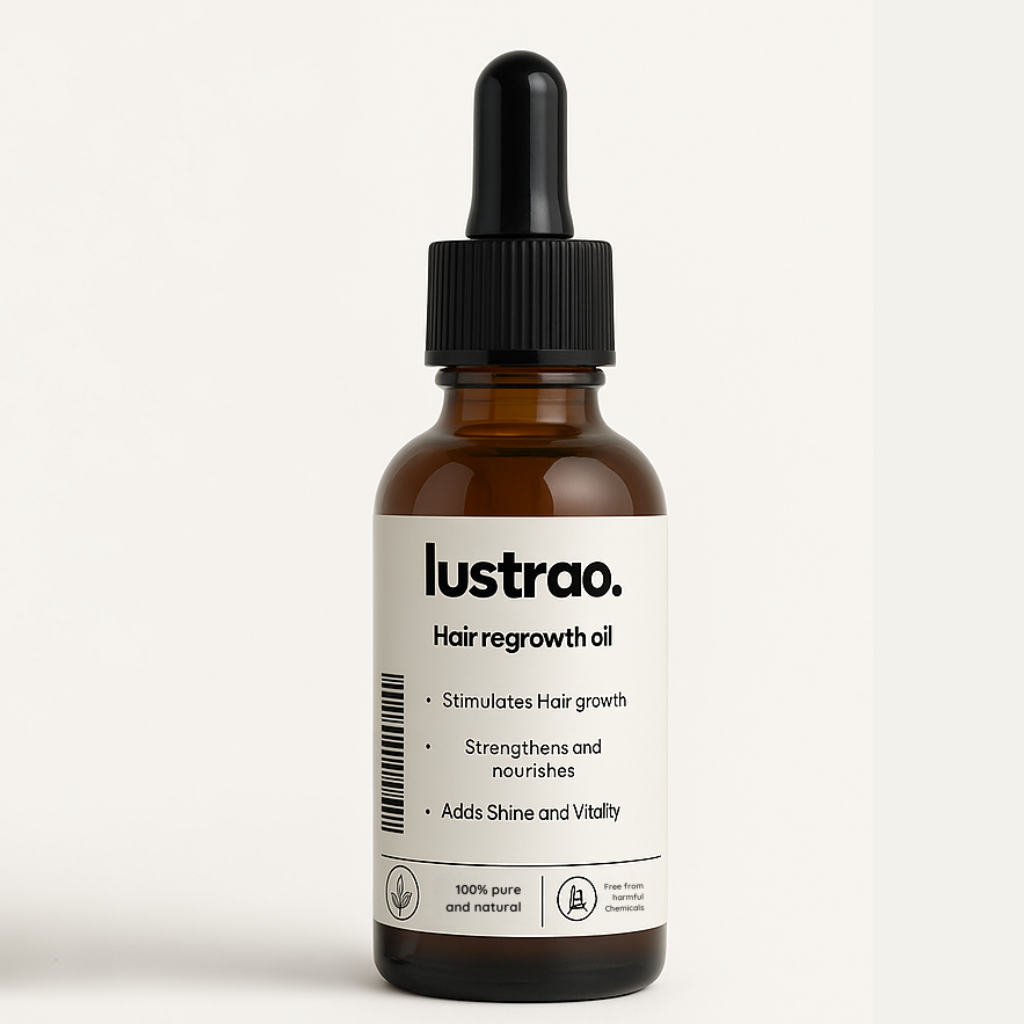
One example is Lustrao Hair Regrowth Oil, which blends multiple scientifically supported ingredients designed to stimulate scalp circulation, nourish follicles, and support healthier hair growth.
What Is Minoxidil and How Does It Work?
Minoxidil is a topical medication commonly used to treat androgenetic alopecia, also known as male and female pattern hair loss. It works as a vasodilator, meaning it increases blood flow to the scalp and may extend the growth phase of hair follicles.
According to dermatology research, hair loss affects over 50 million men and 30 million women in the United States alone. Minoxidil is one of the most commonly recommended treatments.
However, some users experience side effects including scalp irritation, dryness, and an initial shedding phase. Hair loss may also return if the treatment is discontinued.
Because of these limitations, many people explore natural alternatives such as rosemary and peppermint hair growth oils, including formulas like Lustrao Hair Regrowth Oil.
What Is Rosemary Oil and Why Is It Used for Hair Growth?
Rosemary oil is a botanical extract long used in traditional medicine for scalp health. Modern research has shown that rosemary oil contains bioactive compounds such as carnosic acid and rosmarinic acid that may improve circulation and reduce inflammation around hair follicles.
A clinical study published in Skinmed found that rosemary oil produced results comparable to minoxidil after six months of use in individuals with androgenetic alopecia. Participants using rosemary oil also reported less scalp itching compared to those using minoxidil.
Because of these findings, rosemary oil has become a key ingredient in modern hair growth formulas such as Lustrao Hair Regrowth Oil, which combines multiple plant-based ingredients known to support scalp health.
The Clinical Evidence: Rosemary Oil vs Minoxidil
| Feature | Rosemary Oil | Minoxidil |
|---|---|---|
| Clinical research supporting hair growth | Yes | Yes |
| Improves scalp circulation | Yes | Yes |
| Contains natural botanical ingredients | Yes | No |
| Commonly associated with scalp irritation | No | Yes |
| Supports long-term scalp health | Yes | No |
These findings have led many researchers to explore botanical alternatives that provide hair growth support while maintaining scalp health.
Peppermint Oil vs Minoxidil: A Surprising Clinical Result
Another ingredient gaining attention is peppermint oil. Research examining peppermint oil for hair growth found that it stimulated significantly increased follicle depth, dermal thickness, and hair growth compared to other treatments.
In controlled experiments, peppermint oil demonstrated faster hair growth and stronger follicle stimulation than minoxidil in the early stages of treatment.
| Treatment | Stimulates Hair Growth | Improves Circulation |
|---|---|---|
| Peppermint Oil | Yes | Yes |
| Minoxidil | Yes | Yes |
Because of this evidence, peppermint oil is often combined with rosemary oil in modern hair growth formulas such as Lustrao Hair Regrowth Oil.
The Science Behind Lustrao Hair Regrowth Oil Ingredients
Rather than relying on a single ingredient, Lustrao Hair Regrowth Oil combines several botanicals supported by scientific research to target multiple causes of hair thinning.
Rosemary Oil
Rosemary oil improves scalp circulation and may help stimulate dormant hair follicles. A clinical study comparing rosemary oil and minoxidil found comparable improvements in hair count after six months.
“Rosemary oil has shown promising results comparable to conventional treatments for androgenetic alopecia.” — Dr. Hadley King, Board-Certified Dermatologist
Peppermint Oil
Peppermint oil increases blood flow to the scalp and may stimulate hair follicle activity. Research has demonstrated increased dermal thickness and follicle number following peppermint oil treatment.
“Peppermint oil helps stimulate the scalp and can activate the hair growth cycle through improved circulation.” — Trichology Research Review
Castor Oil
Castor oil is rich in ricinoleic acid and essential fatty acids, helping support scalp hydration and strengthen the hair shaft.
Studies show that castor oil contains approximately 90% fatty acids, which can help maintain scalp moisture and improve hair condition.
Argan Oil
Argan oil provides antioxidants and vitamin E that help protect hair follicles from oxidative stress and environmental damage.
“Antioxidant oils such as argan oil help protect the scalp environment where healthy hair growth occurs.” — Dermatology Clinical Review
Panax Ginseng
Panax ginseng has been shown in research to stimulate dermal papilla cells and promote hair follicle proliferation, which may support the hair growth cycle.
“Ginseng extracts demonstrate strong potential for stimulating hair follicle activity and supporting hair regrowth.” — Journal of Medicinal Plants Research
Lustrao Hair Regrowth Oil vs Minoxidil
| Feature | Lustrao Hair Regrowth Oil | Minoxidil |
|---|---|---|
| Natural botanical ingredients | Yes | No |
| Contains rosemary oil | Yes | No |
| Contains peppermint oil | Yes | No |
| Supports scalp health | Yes | No |
| Clinically supported ingredients | Yes | Yes |
| Common scalp irritation | No | Yes |
How to Use Hair Growth Oil for Best Results
For best results, apply a small amount of Lustrao Hair Regrowth Oil directly to the scalp and gently massage for several minutes to stimulate circulation.
Consistent use is important. Many users apply hair growth oils several times per week and allow them to absorb overnight for deeper nourishment.
Frequently Asked Questions
Is rosemary oil as effective as minoxidil for hair growth?
Clinical research has shown that rosemary oil may produce comparable improvements in hair count after several months of consistent use while causing fewer scalp side effects.
Can rosemary oil replace minoxidil for male pattern baldness?
For individuals experiencing early-stage hair thinning, rosemary oil and botanical hair growth oils may provide a natural alternative that supports scalp health.
How long does rosemary oil take to work compared to minoxidil?
Hair growth treatments typically require several months of consistent use. Many studies measure improvements after approximately six months.
Is peppermint oil more effective than minoxidil for hair growth?
Research examining peppermint oil has demonstrated strong stimulation of hair follicle activity and circulation, which may support faster hair growth in certain conditions.
Do natural hair growth oils really work for thinning hair?
Yes. Botanical oils containing ingredients like rosemary, peppermint, and ginseng have been studied for their ability to improve scalp circulation and support the hair growth cycle.
What is the best rosemary and peppermint hair growth oil?
Products that combine multiple clinically supported ingredients often provide broader benefits. Lustrao Hair Regrowth Oil combines rosemary oil, peppermint oil, castor oil, argan oil, and ginseng to support healthier hair growth.
Can hair growth oils regrow a receding hairline naturally?
Hair growth oils may help support scalp circulation and follicle health, which can improve hair density and growth over time.
What is the best hair regrowth oil for thinning hair?
Hair oils that contain multiple evidence-based ingredients such as rosemary oil, peppermint oil, and ginseng are often considered more effective because they target multiple causes of hair thinning.
Lustrao Hair Regrowth Oil vs Minoxidil: which is better?
Minoxidil is a pharmaceutical treatment designed to stimulate circulation, while Lustrao Hair Regrowth Oil uses botanical ingredients supported by research to promote scalp health, circulation, and follicle support without synthetic drug compounds.
What is the best rosemary peppermint castor oil hair growth formula for hair loss?
A formula that combines rosemary oil, peppermint oil, castor oil, argan oil, and ginseng provides a broad range of nutrients for scalp health and follicle stimulation. These ingredients are combined in Lustrao Hair Regrowth Oil.
Share