
Hair Breakage vs Hair Loss: How to Tell the Difference
Noticing more hair in your brush, on your pillow, or in the shower can be worrying. However, hair breakage and hair loss are two different problems, and knowing which one you're experiencing is the first step towards addressing it. Hair breakage occurs when strands snap along their length, while hair loss involves hairs shedding from the follicle or a disruption to the normal hair growth cycle.
The distinction matters because the causes and solutions are different. Breakage is often associated with damaged hair fibres, excessive heat, chemical treatments, friction, or tight hairstyles. Hair loss can result from genetics, hormonal changes, illness, stress, nutritional deficiencies, or other underlying conditions. Both can make your hair appear thinner, but they require different approaches.
In this guide, we explain how to tell hair breakage from hair loss, what causes each, how to reduce further damage, and when to seek professional advice.
Key Takeaways
- Hair breakage: Individual strands snap, often leaving shorter hairs of different lengths, frayed ends, or split ends.
- Hair shedding: Complete hairs fall out as part of the natural hair cycle. Excessive shedding can have several causes.
- Hair loss: Gradual thinning, a receding hairline, widening part, or bald patches can indicate an underlying hair-loss condition.
- Prevention: Gentle washing, conditioning, reduced heat styling, and avoiding excessive tension can help minimise breakage.
- Treatment: Persistent hair loss requires identifying the underlying cause. Cosmetic hair-care products cannot treat every type of hair loss.
What Is the Difference Between Hair Breakage and Hair Loss?
Although both can result in thinner-looking hair, hair breakage and hair loss affect different parts of the hair structure.
Hair breakage occurs when the hair fibre becomes damaged and snaps. Hair loss occurs when hair sheds from the follicle or when the normal growth process is disrupted.
There is also an important distinction between hair loss and hair shedding. Shedding is a normal part of the hair cycle, although excessive shedding may indicate a temporary or ongoing problem.
| Feature | Hair breakage | Hair shedding or hair loss |
|---|---|---|
| What happens? | The hair shaft snaps | A hair sheds from the follicle, or hair growth is disrupted |
| Common signs | Short strands, split ends, uneven lengths | Full-length hairs, gradual thinning, widening part or bald patches |
| Common causes | Heat, bleaching, friction, chemical damage | Genetics, illness, hormonal changes, stress and other triggers |
| Scalp appearance | Often unchanged, although irritation can coexist | May look normal or show visible thinning, depending on the cause |
| Main approach | Reduce damage and improve hair-fibre care | Identify and address the underlying cause |
These signs are useful clues, but they cannot reliably diagnose every condition. Hair breakage and hair loss can occur at the same time.
How to Tell If Your Hair Is Breaking or Falling Out
If you are wondering whether your hair is breaking or falling out, start by looking at the strands you notice and the overall pattern of change.
1. Examine the length of the strands
Broken hairs are often noticeably shorter than the surrounding hair. You may find many short strands around your hairline, crown, or the areas that receive the most heat or friction.
The ends may look blunt, frayed, split, or irregular.
Shed hairs, by comparison, may be close to the length of your usual hair because they have completed their growth cycle. Some naturally shed hairs have a small, pale club-shaped end.
However, length alone is not conclusive. Short hairs can also be newly growing hairs, and not every shed hair will have an obvious club-shaped end.
2. Look for split ends and rough texture
Hair that frequently snaps may also feel dry, rough, or difficult to detangle.
The outer cuticle protects the inner structure of the hair fibre. Repeated heat exposure, chemical processing, and mechanical friction can damage this protective layer, making strands more vulnerable to further breakage.
Split ends are a particularly useful warning sign of fibre damage, although their absence does not rule out breakage.
3. Check for changes in hair density
If your part appears wider, your temples are receding, or your scalp is becoming more visible, the issue may involve hair loss rather than breakage alone.
The American Academy of Dermatology identifies gradual thinning, widening of the part, receding hairlines, and bald patches as possible signs of hair loss.
These changes deserve attention, particularly when they continue to progress.
4. Consider what has changed in your routine
Think about whether you have recently started bleaching your hair, using a straightener more frequently, wearing tight hairstyles, or changing your hair-care products.
A noticeable increase in breakage following these changes may indicate that your hair fibres are being damaged.
If you have not changed your routine but are experiencing significant shedding or progressive thinning, consider other possible causes rather than assuming the problem is simply damaged hair.
What Causes Hair Breakage?
Hair breakage generally occurs when the hair fibre becomes too damaged or mechanically stressed to withstand normal handling.
Excessive heat styling
Frequent use of flat irons, curling irons, and high-temperature blow-dryers can damage the hair shaft.
Repeated heat exposure can contribute to dryness, cuticle damage, and reduced resistance to breakage, particularly when combined with chemical treatments or aggressive brushing.
To minimise damage, use lower temperatures where possible, avoid repeatedly passing hot tools over the same section, and allow hair to dry partially before blow-drying.
Bleaching, colouring, and chemical treatments
Chemical processes can alter the structure of the hair fibre. Bleaching, relaxing, perming, and chemical straightening may weaken strands, particularly when treatments are repeated or performed incorrectly.
If your hair has become noticeably more fragile after chemical processing, consider reducing further treatments and seeking advice from a qualified hair professional.
Tight hairstyles and extensions
Tight ponytails, braids, extensions, and other styles that repeatedly pull on the hair can cause mechanical damage.
In some cases, persistent tension can also damage follicles and lead to traction alopecia, a form of hair loss that may become permanent if the tension continues.
Reducing tension early is therefore important.
Friction and rough handling
Vigorous towel drying, aggressive brushing, pulling through knots, and repeated friction can contribute to breakage.
Wet hair can be particularly vulnerable to stretching and mechanical damage during handling.
Use a gentle approach when detangling, work through knots carefully, and avoid pulling a brush forcefully through tangled strands.
Dryness and weakened hair fibres
Hair that is dry or chemically damaged may be more difficult to manage and more susceptible to snapping.
Conditioners can improve lubrication, reduce friction, and make hair easier to detangle. Some conditioning ingredients, including hydrolysed proteins, can also improve the feel and mechanical properties of the hair fibre.
These benefits relate primarily to the condition of the existing hair shaft. They should not be confused with stimulating new hair growth from the follicle.
What Causes Hair Loss and Excessive Shedding?
Hair loss has a wider range of potential causes because it can involve the hair follicle, the growth cycle, or the body's response to internal and external changes.
Genetic hair loss
Androgenetic alopecia, commonly called male or female pattern hair loss, is a frequent cause of progressive thinning.
In men, it often appears as a receding hairline or thinning around the crown. In women, it may appear as a widening part or reduced density across the scalp.
Because this condition involves changes in the hair follicles, conditioning the hair shaft alone will not address its underlying cause.
Stress, illness, and telogen effluvium
Telogen effluvium is a form of excessive hair shedding that can occur after a significant physical or psychological stressor.
Potential triggers include a high fever, surgery, childbirth, significant weight loss, and certain illnesses. Increased shedding often becomes noticeable several months after the triggering event.
In many cases, the shedding gradually improves once the underlying trigger has resolved. However, persistent shedding warrants medical assessment.
Nutritional deficiencies
Inadequate intake or deficiencies involving nutrients such as iron and protein can contribute to hair problems in some people.
The relationship depends on the individual's nutritional status and the underlying cause. Taking supplements without establishing whether a deficiency exists is not necessarily helpful, and excessive intake of certain nutrients can itself contribute to hair loss.
Hormonal changes and medical conditions
Thyroid disorders, hormonal changes, certain medications, autoimmune conditions, and scalp diseases can also contribute to hair loss.
The appropriate response depends on the diagnosis. If thinning is persistent, sudden, patchy, or accompanied by scalp symptoms, a healthcare professional can help identify the cause and determine whether treatment is needed.
Can Hair Breakage Make Your Hair Look Thinner?
Yes. Hair breakage can reduce the apparent fullness of your hair even when the follicles continue to produce new strands.
When hairs repeatedly snap before reaching their usual length, the ends may look sparse, the overall silhouette may appear uneven, and certain areas may seem less dense.
Breakage around the hairline can be particularly noticeable because short, damaged strands stand out against longer hair.
However, visible thinning is not always caused by breakage. If you notice a widening part, a receding hairline, bald patches, or progressive loss of density, it is important to consider follicular hair loss as well.
The key distinction is that improving the condition of existing hair can reduce breakage, but it does not necessarily treat the cause of thinning hair.
How to Reduce Hair Breakage
The most useful approach is to minimise the factors that damage hair fibres while improving manageability and reducing friction.
1. Use a gentle shampoo
Choose a shampoo suited to your scalp and hair type. Avoid vigorous scrubbing along the lengths, particularly if your hair is already fragile.
Concentrate on cleansing the scalp and allow the product to rinse through the lengths rather than repeatedly rubbing the hair together.
2. Condition after washing
Conditioner can reduce friction between strands, improve detangling, and make hair easier to handle.
This is particularly useful for dry, tangled, or chemically treated hair, where aggressive brushing can lead to additional damage.
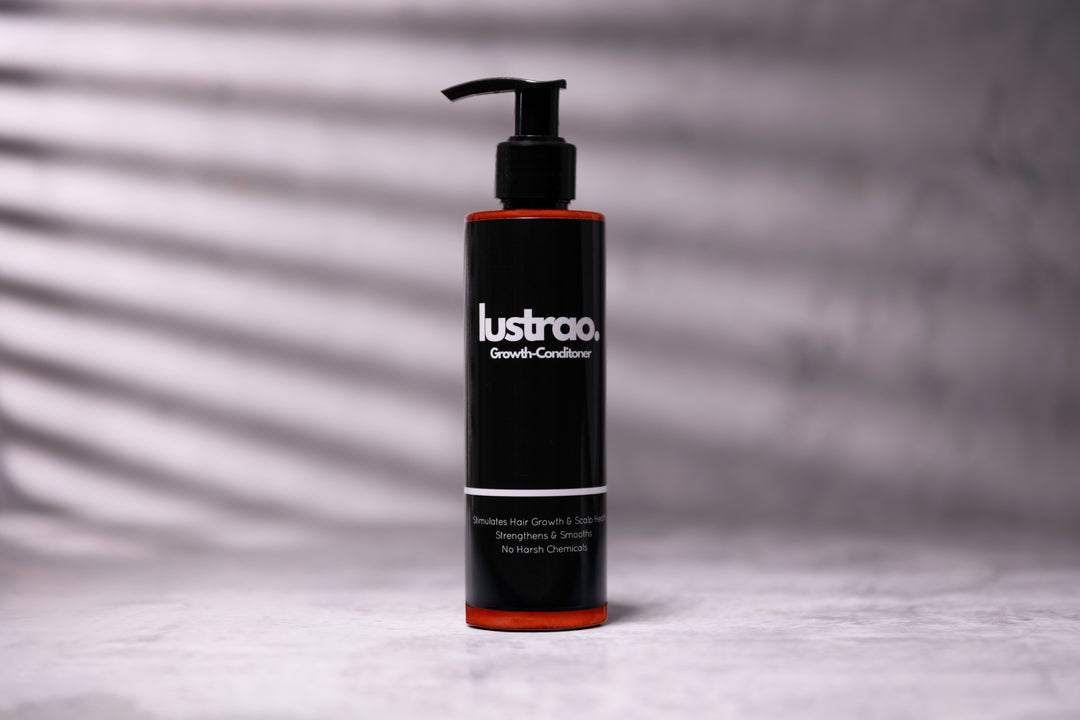
Lustrao Growth Conditioner combines conditioning ingredients with Rosemary Oil, Lavender Oil, Aloe Vera, Argan Oil, and other formulation ingredients to support a manageable hair-care routine.
3. Reduce heat and chemical damage
Limit frequent high-temperature styling and avoid overlapping chemical treatments wherever possible.
If you use heat tools, consider a suitable heat protectant and follow the manufacturer's instructions. Heat protection can help reduce damage, but it does not eliminate all risks associated with high temperatures.
4. Detangle carefully
Start at the ends and gradually work upwards rather than pulling through knots from the roots down.
Use a suitable comb or brush and avoid forceful detangling, especially when hair is wet or particularly fragile.
5. Avoid hairstyles that create tension
Choose styles that do not pull tightly on the scalp. If a hairstyle causes pain, persistent tension, or small bumps around the hairline, loosen it or choose an alternative.
Early changes can help prevent continued mechanical stress and reduce the risk of traction-related damage.
6. Focus on overall hair care, not one miracle ingredient
No single oil or shampoo can prevent every form of breakage.
A routine that combines gentle cleansing, conditioning, careful styling, and appropriate scalp care is generally more useful than relying on a single ingredient.
For hair that is already damaged, consistency matters because the aim is to protect existing strands while new hair grows.
Can Hair Oils Help With Hair Breakage?
Hair oils can be useful in a hair-care routine, but their effects depend on the formulation, how they are used, and the type of damage involved.
Some oils can improve lubrication, reduce friction, and help hair feel softer and easier to manage. These effects may help reduce certain forms of mechanical damage during grooming.
However, evidence that an oil improves hair texture should not automatically be interpreted as evidence that it repairs every type of damage or stimulates new hair growth.
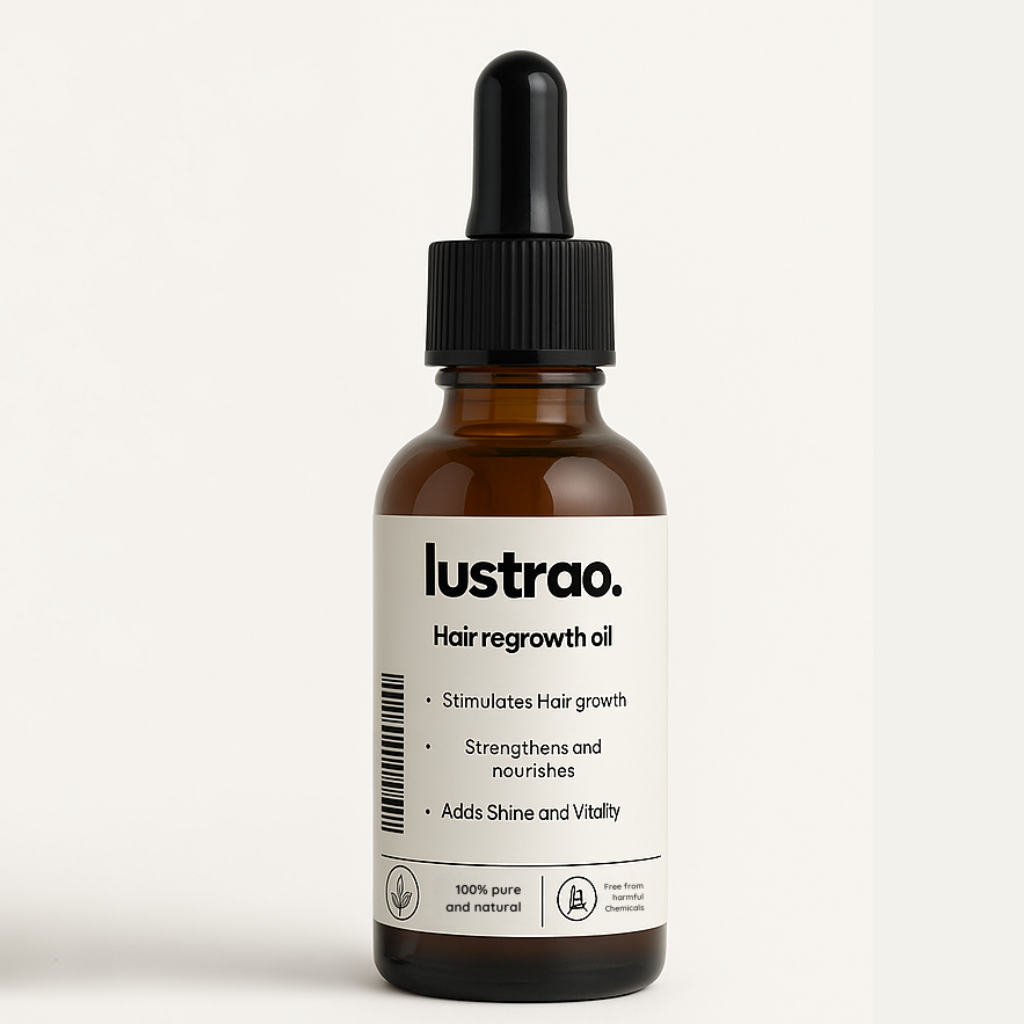
Lustrao Hair Regrowth Oil contains Rosemary Oil, Peppermint Oil, Panax Ginseng, Argan Oil, Castor Oil, and Olive Oil. It is formulated for scalp and hair care, with a focus on supporting a consistent routine.
You can learn more about the formulation on the Lustrao Hair Regrowth Oil product page.
If your primary concern is hair breakage, pair any leave-on product with gentle handling and appropriate conditioning. If the main problem is progressive thinning or excessive shedding, investigate the underlying cause rather than relying on oils alone.
Can Hair Breakage Be Reversed?
Hair breakage can often be reduced, but a strand that has already snapped cannot biologically reconnect and restore its original structure.
Conditioning products can improve the feel, manageability, and appearance of damaged hair. Reducing heat, friction, and chemical stress can also help prevent further breakage.
As new hair grows, it may be possible to gradually replace damaged lengths through trimming and careful maintenance.
The timeline depends on how much damage has occurred, how quickly your hair grows, and whether the factors causing breakage have been addressed.
If breakage is accompanied by scalp inflammation, bald patches, or substantial shedding, professional assessment may be appropriate because more than one process could be involved.
When Should You See a Dermatologist?
Consider seeking professional advice if you notice:
- Sudden or substantial hair shedding.
- A receding hairline, widening part, or progressive thinning.
- Smooth or clearly defined bald patches.
- Scalp pain, persistent itching, redness, scaling, or inflammation.
- Broken hairs concentrated in patches, especially with scalp symptoms.
- Hair loss that continues despite changes to your hair-care routine.
A dermatologist can assess the scalp and hair, consider your medical history, and determine whether further investigation or treatment is necessary.
Early assessment is particularly important when hair loss is progressive or a condition that could damage follicles is suspected.
Frequently Asked Questions
1. How can I tell the difference between hair breakage and hair loss?
Hair breakage often leaves shorter strands, uneven lengths, and damaged or split ends. Hair loss may present as a receding hairline, widening part, bald patches, or gradual thinning. Excessive shedding can involve full-length hairs. These signs are useful clues, but a dermatologist may be needed to distinguish overlapping causes.
2. Does hair breakage mean my hair is not growing?
No. Hair can continue growing from the follicle while the visible length increases slowly because the ends keep breaking. Reducing damage and improving hair-fibre care can help retain more length over time.
3. Why is my hair breaking near the roots?
Breakage close to the scalp can be associated with chemical damage, heat, friction, tight hairstyles, or certain hair-shaft disorders. However, short broken hairs can also occur alongside scalp conditions or hair loss. If breakage is concentrated in patches or accompanied by irritation, seek professional assessment.
4. Can shampoo and conditioner prevent hair breakage?
Appropriate shampoo and conditioner can help minimise damage during washing and detangling. Conditioner can reduce friction and improve manageability, while gentle cleansing can avoid unnecessary stress. Neither product can guarantee that breakage will stop, particularly if the main cause is chemical processing, heat, or tension.
5. Does hair breakage grow back?
A broken section of hair cannot repair itself biologically, but the follicle may continue producing hair if it remains healthy. New growth can gradually replace damaged lengths. If the follicle itself has been damaged, the outcome depends on the underlying condition.
6. Can hair oils help prevent breakage?
Some hair oils may improve lubrication and manageability, potentially reducing friction during grooming. Their effects depend on the specific oil and formulation. They should be used as part of a broader routine rather than treated as a guaranteed solution for breakage or a proven treatment for every form of hair loss.
7. Is hair shedding normal?
Yes. The American Academy of Dermatology states that losing around 50 to 100 hairs a day is normal for many people. Noticeably increased shedding, persistent thinning, or bald patches may indicate a problem that deserves assessment.
8. Should I cut my hair if it is breaking?
Trimming severely split or damaged ends can improve the appearance and manageability of hair, but cutting does not treat the underlying cause of breakage. Reducing heat, chemical damage, friction, and excessive tension is also important.
Final Verdict: Hair Breakage vs Hair Loss
Hair breakage and hair loss can look similar, but understanding the difference helps you choose a more appropriate approach.
Breakage usually involves damage to the hair shaft and can often be reduced by improving conditioning, handling, and styling habits. Hair loss or excessive shedding may involve the hair growth cycle, genetics, medical conditions, or other underlying factors that require a different response.
For healthier-looking hair, focus on gentle cleansing, consistent conditioning, and minimising avoidable damage. If your hair is progressively thinning or shedding excessively, do not assume that a cosmetic product alone will solve the problem.
The most effective approach starts with identifying what is actually happening to your hair, then choosing care and treatment that match the cause.
References
-
American Academy of Dermatology. Hair loss: Overview.
-
American Academy of Dermatology. Do you have hair loss or hair shedding?.
-
American Academy of Dermatology. Hair loss: Signs and symptoms.
-
American Academy of Dermatology. Hair loss: Tips for managing.
-
Cleveland Clinic. Hair Loss: Causes, Treatments and Prevention Options.
-
DermNet New Zealand. Hair shedding.
Share